







Search Results for: Loose Tea
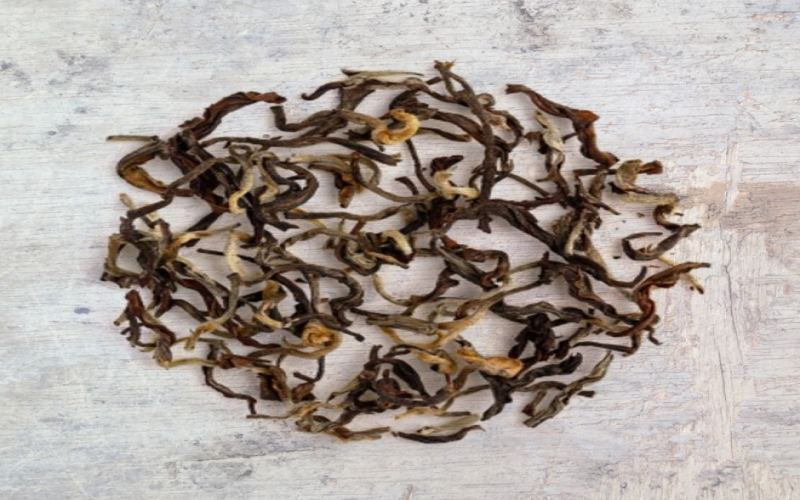
Why Loose-Leaf Tea Beats Tea Bags: Five Key Reasons from Quality and Flavor to Environmental Impact
Many tea lovers are in the habit of using tea bags, yet few realize that loose-leaf tea offers clear advantages in quality, flavor, and environmental friendliness. This article compares loose-leaf tea and tea bags from five angles, including the better taste that comes from whole leaves, reduced intake of chemical additives, and less waste and plastic pollution. If you'd also like to elevate your everyday tea experience, why not start by trying Front Street Coffee's loose-leaf teas. [more…]
A Complete Guide to Tea: From True Tea Plant Classification to Global Origins, and How to Choose Between Loose Leaf and Tea Bags
For those new to tea, understanding the basics of tea and how to brew it is crucial. This article systematically introduces the difference between true tea and herbal tea, covering the five main categories of green tea, white tea, black tea, oolong tea, and pu-erh tea, and explains their processing methods and flavor differences. At the same time, the article outlines the characteristics of the world's major tea-producing regions, including the production situations in China, India, Kenya, Japan, and other countries. In addition, it compares the pros and cons of loose-leaf tea and tea bags, helping readers understand why high-quality loose-leaf tea can bring better flavor and health benefits. Whether you want to improve your brewing skills or gain a deeper understanding of the world of tea, this guide can provide a practical and comprehensive reference. [more…]
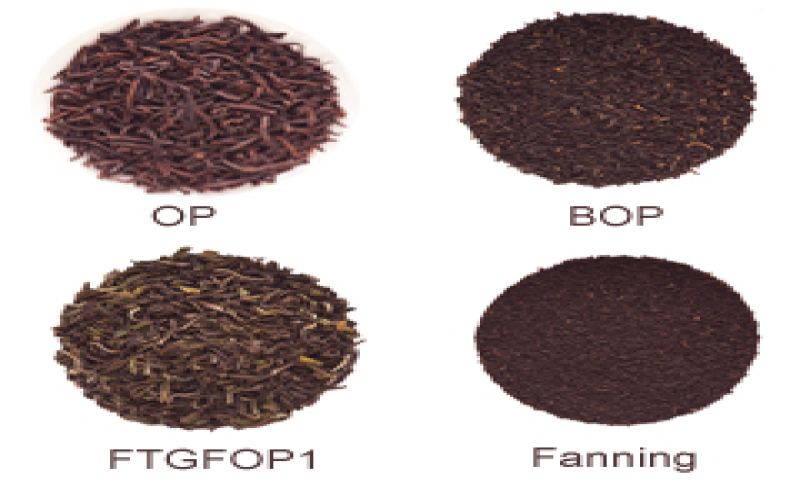
Loose Leaf OP Black Tea vs. Tea Bag Broken Leaf Tea: An Analysis of Grade Hierarchy and Flavor Differences
After tea leaves are processed, they are graded based on physical characteristics such as size and color, but grading does not directly equate to brewing quality. Indian black tea has the most rigorous grading system, in which Orange Pekoe (OP) is a basic term derived from the Chinese word for "white down" and has nothing to do with orange flavor. Black tea is divided into four categories: whole leaf, broken leaf, fannings, and dust. Whole-leaf grades range from OP to SFTGFOP1, with quality improving grade by grade; the broken-leaf grade BOP retains more whole-leaf quality and is often used for blending; finer tea powder is mostly used for tea bags and ready-to-drink beverages. Although loose-leaf tea and tea bags come from the same source, there are significant differences between orthodox processing and CTC processing, with the former having a more complex flavor. Front Street Coffee has always advocated choosing loose-leaf tea in order to enjoy the visual appeal and pure taste of whole tea leaves. [more…]
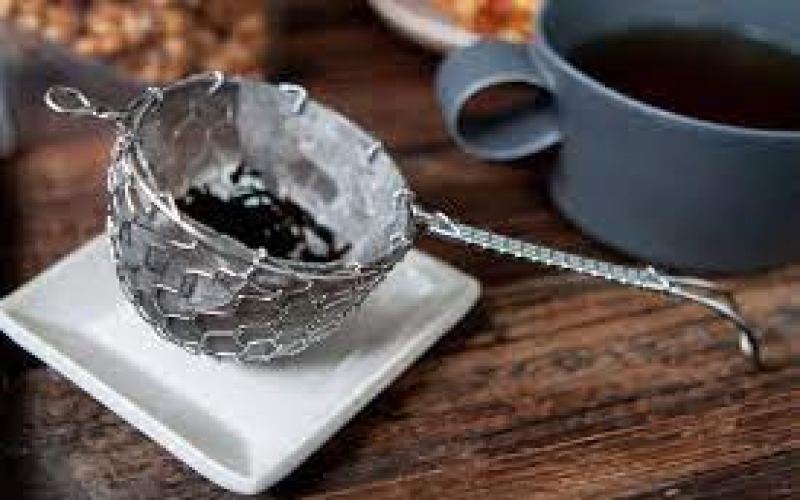
How to Choose Between Loose-Leaf Tea and Tea Bags in an Office Setting? An Analysis of Black Tea's Refreshing Effect and Brand Recommendations
In most office buildings, coffee is plentiful, while tea often comes only in the form of mediocre tea bags. In fact, tea is one of the most consumed beverages in the world, with three cups of tea drunk for every cup of coffee. Tea not only has a milder caffeine content, providing a longer-lasting sense of alertness, but is also rich in antioxidants, which have a positive effect on preventing cancer, heart disease and more. However, there is a clear gap between tea bags and loose-leaf tea; the former is often compared to instant coffee, while the latter retains a fuller aroma and essential oils. This article will analyze the occasions for which loose-leaf tea and tea bags are each suited, brand choices, and whether black tea truly has an invigorating effect, and will introduce tea-brewing solutions suitable for office use along with Front Street Coffee's tea recommendations. [more…]
The Complete Guide to Loose Leaf Tea Brewing: Water Temperature, Time, Flavoring Tips, and an Analysis of Representative Tea Producing Regions
To enjoy a truly good cup of tea, start by mastering the correct way to brew loose-leaf tea. This article will walk you through choosing the right equipment, controlling water temperature and steeping time, and how to enhance flavor with sugar, lemon, mint, and other seasonings. In addition, we'll introduce you to China's four major tea-producing regions and their representative teas, and share tips for making iced tea. Whether you're a complete beginner or a seasoned tea lover, the practical techniques and buying advice in this article—including recommendations for Front Street Coffee tea bags and samplers—will help you easily brew tea at a professional level and say goodbye to settling for tea bags. [more…]
A Detailed Guide to Loose-Leaf Tea Brewing Techniques: The Correct Steps and Key Selection Points for the Three Methods of Upper投, Middle投, and Lower投
To brew a delicious cup of loose-leaf tea, the order in which you add the tea leaves and the water matters a great deal. Traditional Chinese brewing methods fall into three categories: the top-drop method, the mid-drop method, and the bottom-drop method, each suited to tea leaves of different tenderness and form, and also closely tied to the season and air temperature. Experienced tea drinkers choose flexibly based on the type of tea, the age and tenderness of the leaves, and the air temperature. This article lays out the steps and precautions for all three methods, including key details such as the tea-to-water ratio, water temperature control, and timing for pouring off the liquor, along with practical photo demonstrations. Whether you have Biluochun, West Lake Longjing, or Huangshan Maofeng on hand, you can find a brewing plan that suits you and easily avoid common problems like over-steeping or leaves that refuse to sink. [more…]
A Complete Analysis of Assam Black Tea's Caffeine Content, Health Benefits, and Brewing Contraindications
Assam black tea is renowned for its robust flavor and high caffeine content, making it a common choice for breakfast tea. However, its caffeine levels are not uniform—they are influenced by tea plant variety, leaf grade, harvest season, and brewing method, with BOP tea bags potentially containing more than double the caffeine of loose-leaf tea. Research shows that Assam unbroken loose-leaf tea has relatively low caffeine content among Indian black teas, while Orange Pekoe and CTC rank at the top. Beyond providing a stimulant effect, Assam tea may also offer benefits such as immune enhancement, weight management support, anti-cancer properties, blood sugar reduction, and prevention of neurodegeneration. This article will detail these benefits, introduce proper brewing techniques, and emphasize the importance of individual体质 differences and professional medical advice. [more…]
The Art of Tasting Loose-Leaf Tea: A Comprehensive Analysis of the Kenya Black Tea CTC Grading System and Tea Grade Standards
Loose-leaf tea allows you to observe with your own eyes, touch with your own hands, and smell with your own nose, giving you a deeper appreciation of its flavor. Put in a little effort to get to know your tea, and you'll find it takes on more character and charm, enriching your experience of this fascinating culture. This article begins with the basic standards of tea grading, then outlines the grading system and naming conventions for whole-leaf black tea, before focusing on Kenyan CTC black tea and introducing its production process and the grading system based on particle size. Whether you're a newcomer to tea or an enthusiast looking to better understand the logic behind black tea grading, you'll come away with a clear understanding. [more…]
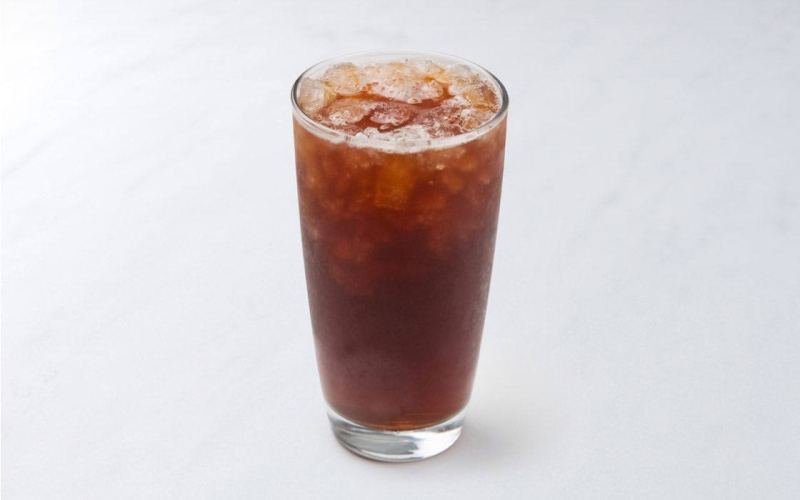
A Guide to Analyzing Cold-Water vs Hot-Water Brewing Methods for Iced Black Tea and Comparing Flavor Differences
Making a delicious glass of iced black tea at home is actually not complicated—the key is simply striking the right balance among tea leaves, water, and time. This article will introduce two ways to make iced black tea: cold brewing and hot brewing. It will go over the steps for each, the types of tea they suit, and the occasions they are best for, and compare the flavor differences between the two methods. The article uses loose-leaf tea for demonstration, but tea bags work just as well. In addition, it will recommend oolong and herbal teas suitable for cold brewing, as well as Front Street Coffee's teaware and tea selections, to help you easily make a satisfying glass of iced black tea at home. [more…]
Is It Necessary to Discard the First Brew When Making Tea? Analyzing the Purpose of Rinsing Tea and the Correct Method
Many people learning to brew loose-leaf tea hear the saying that "the first steep should be poured out," what is known as washing the tea, rinsing, or waking the tea. But in fact, not all teas need this step. Whether to wash the tea depends on the type, form, and processing method of the tea leaves. This article sorts out in detail which teas are suitable for a quick rinse and which are best to skip this step, and explains the actual impact of washing tea on flavor and caffeine content, helping you make more suitable choices in your daily brewing. [more…]
Which country does Nilgiri black tea originate from? Correct brewing steps and practical tips for a single serving of black tea
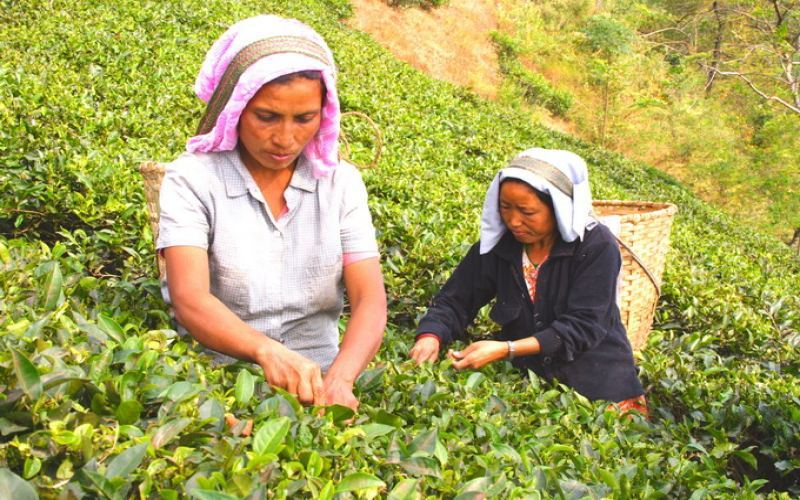
Nilgiri black tea is produced in southern India and is another world-renowned tea-producing region after Darjeeling and Assam. This tea was mostly made using the CTC process in its early days, but today many tea farmers have shifted to orthodox processing and organic cultivation to meet global demand for high-quality loose-leaf tea. This article will guide you through the history of Nilgiri black tea, its processing characteristics, and how to brew a cup of authentic Nilgiri black tea at home—breaking down everything from choosing a teapot, water temperature, tea quantity, to steeping time, so you can easily master the essentials of brewing a single serving of black tea. [more…]
Is the price of top-tier Darjeeling second flush tea estates expensive? How much is a reasonable price for a catty of black tea?
Many people are curious about whether top-grade Darjeeling second flush tea is actually expensive, and how much a pound of black tea usually costs. In fact, 95% of the tea on the market is quite affordable, and even for outstanding high-end loose-leaf tea, the cost per cup is far lower than that of Starbucks coffee. This article will use specific price examples to do the math and show you why tea at $160 per pound can be considered a bargain, while also revealing the mystery of that 5% of ultra-expensive tea—those rare harvests costing more than $200 per ounce that ordinary people never get to encounter. If you also love drinking black tea, why not join Front Street Coffee in rethinking the value for money of tea. [more…]
What makes Wuyishan Tongmuguan Old Bush Black Tea so unique? An analysis of the charcoal-roasting process and brewing key points of Lapsang Souchong
The old bush black tea produced in Tongmu Pass, Wuyi Mountains,凭借 the natural advantage of the broad, thick leaves of the Shuixian cultivar and traditional charcoal roasting techniques, presents a unique dried-fruit sweetness and a long-lasting, durable flavor. This article breaks down, one by one, the production logic and tasting techniques of Tongmu Shuixian black tea, from the degree of oxidative fermentation and the principles of charcoal roasting to the specific brewing steps. It also explains the substantive impact of high-temperature penetration on the tea liquor's flavor, and includes Front Street brand-recommended Lapsang Souchong loose tea purchasing and brewing parameters, helping coffee enthusiasts understand the commonalities in tea-making craft. [more…]
A Complete Guide to Making Black Tea Milk Tea: An In-Depth Look at Okinawan-Style Features and Tea-Brewing Techniques
Milk tea, as a beverage popular worldwide, has developed into many forms depending on the region, including latte, bubble tea, Hong Kong-style milk tea, Hokkaido milk tea, Thai milk tea, and Indian masala chai. Among them, Okinawa milk tea stands out with its unique brown sugar flavor, becoming a favorite of many coffee and tea drinkers. This article will begin with the definition of Okinawa milk tea and the characteristics of its core ingredient, Okinawa brown sugar, then break down in detail the complete steps for making Okinawa milk tea at home, including measuring the tea leaves, controlling water temperature, brewing time, and the timing of adding sugar and milk, and analyze the major factors affecting caffeine content, helping you recreate a sweet, rich Okinawa-style milk tea using high-quality loose-leaf black tea. [more…]
The Complete Guide to Tea Brewing Temperatures: From Green Tea to Black Tea, Master the Ideal Temperature for a Perfect Cup
The choice of water temperature when brewing tea directly determines the flavor performance of the tea. Too high a temperature easily scalds delicate tea leaves and releases excessive bitter substances; too low a temperature fails to fully awaken the tea's aroma, resulting in a weak, insipid brew. Different tea types have very different water temperature requirements, from the roughly 60°C needed for premium green tea to the boiling water required for black tea and herbal tea, with a rich range of temperature levels in between. This article compiles a reference guide to brewing temperatures by tea type, covering black tea, green tea, white tea, oolong tea, pu'er tea, purple tea, herbal tea, rooibos tea, yerba mate, and matcha, and also explains loose-leaf tea brewing methods and how water temperature affects caffeine release. Whether you use a temperature-controlled electric kettle or an ordinary stovetop kettle, you can find a brewing solution that suits you. [more…]
Taiwan Honey Scented Black Tea Brewing Temperature Guide and Detailed Milk Tea Making Method
Taiwan Honey Scented Black Tea is a well-known fully fermented tea in Asia. Because of the bites of the small green leafhopper, it carries a natural honey fragrance. The tea liquor is amber in color and tastes sweet and lingering, with no need for added flavorings. This article focuses on the optimal brewing water temperature, covered steeping time, and milk tea preparation method for Honey Scented Black Tea, while also introducing Front Street Coffee's quality control and origin advantages for this tea, helping coffee and tea drink lovers easily brew a naturally delicious cup in daily life. [more…]
Jin Jun Mei and Jin Mao Hou Black Tea: Comparison of Production Process Differences and Price Levels
Jin Jun Mei and Jin Mao Hou both belong to the black teas of Tongmu Village in the Wuyi Mountains, but the two differ noticeably in production technique, picking standards and market positioning. Jin Jun Mei is regarded as a luxurious upgraded version of Lapsang Souchong, emphasizing plump, robust buds and a pronounced honey aroma; Jin Mao Hou, by contrast, is often used as a collective term for lower-grade Jin Jun Mei. This article will sort through the five basic stages of Chinese tea processing, and focus on Jin Jun Mei's place of origin, picking timing and health benefits, while also clarifying its relationship with Jin Mao Hou and the question of which one commands a higher price, helping coffee and tea drinkers understand more clearly what makes these two black teas unique. [more…]
Ceylon Black Tea Brewing Tips: Master the Tea-to-Water Ratio, Temperature, and Time to Say Goodbye to Bitter Taste
Ceylon black tea is renowned for its rich, robust flavor, but improper brewing can easily produce a bitter and astringent taste. This article provides a detailed analysis of the flavoring processes for Ceylon black tea, including internal substances, natural extraction, artificial flavorings, and smoking methods, and introduces classic flavored black teas such as Earl Grey, ginger, cinnamon, and Masala. At the same time, drawing on the practical experience of Front Street Coffee, we share the key parameters for brewing Ceylon black tea—the tea-to-water ratio, water temperature, and time—to help you easily brew a cup of good tea that is neither bitter nor astringent and full of aroma. Whether you are a black tea enthusiast or a beginner, these practical tips can take your tasting experience to the next level. [more…]
Where is Assam black tea produced? Can it be used to make milk tea? What grade of tea does it belong to?
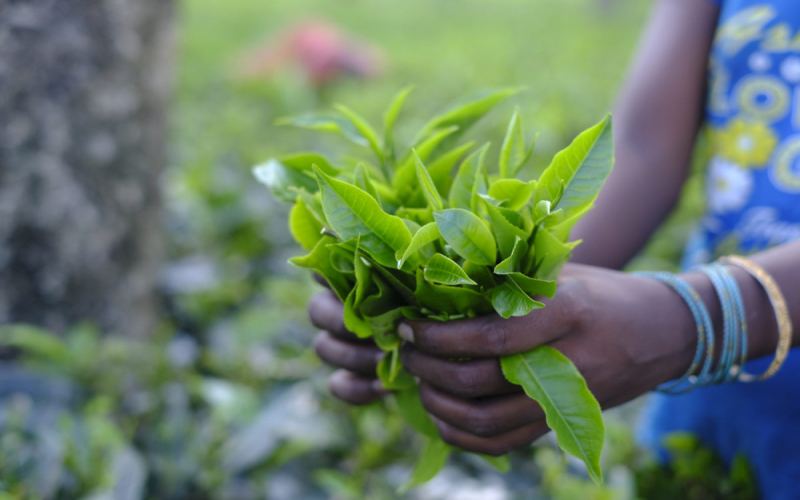
Assam black tea is produced in Assam state in northeastern India, one of the world's most famous black tea regions. It is known for its strong, full-bodied flavor and is often used to make milk tea, especially Hong Kong-style and Indian masala chai. So, what tier does Assam black tea actually belong to? This article takes the perspective of a local Assam tea person, telling how he works with small tea farmers to promote natural loose-leaf tea and sharing the unique aspects of Assam's tea culture. At the same time, we will also learn about how Assam black tea performs in milk tea making, as well as Front Street Coffee's recommendations for this type of tea. [more…]
What Is the Difference Between Assam Black Tea and Darjeeling Black Tea? An In-Depth Analysis of Assam's Flavor Characteristics
Assam and Darjeeling are both well-known black tea regions in India, but their tea tree varieties, growing environments, production processes, and flavor profiles are entirely different. Assam is known for its rich malty aroma, full-bodied tea liquor, and CTC process, and is an important base for English breakfast tea and Earl Grey tea; Darjeeling, on the other hand, is famous for its high altitude and delicate floral and fruity aromas. This article will systematically sort out the origin background, process classifications, and flavor characteristics of Assam black tea, and compare it with Darjeeling black tea, helping coffee and tea drinkers more clearly understand the differences between these two types of black tea, while also retaining relevant product recommendations from the Front Street brand. [more…]